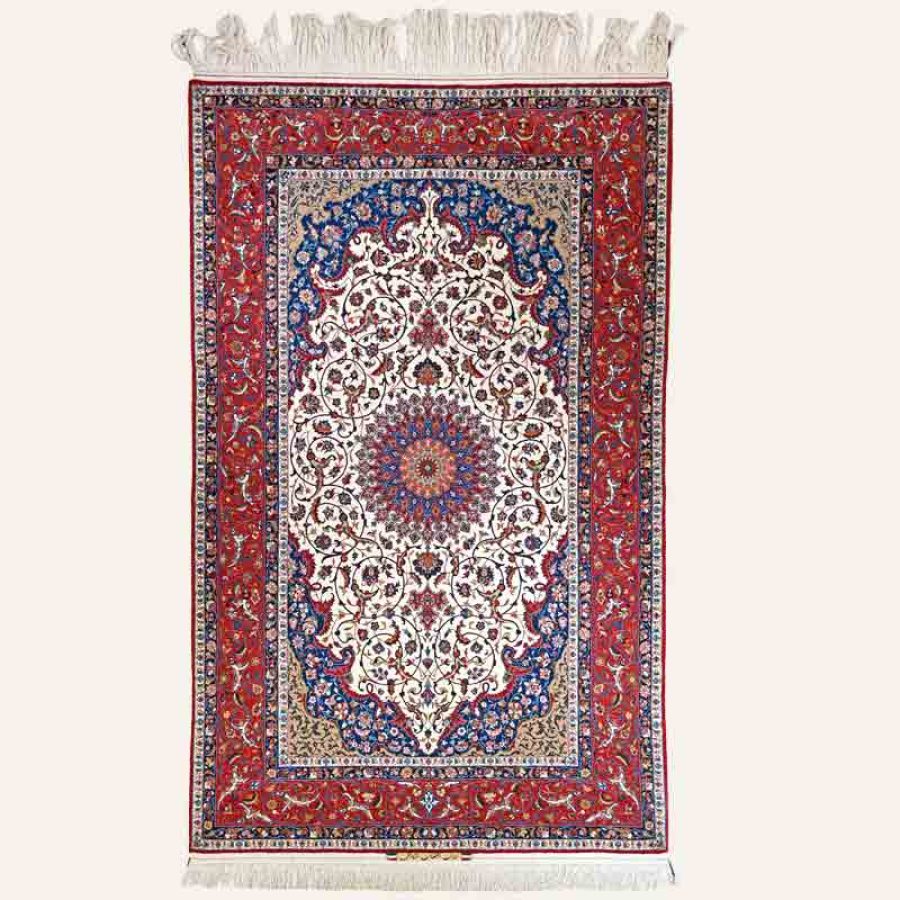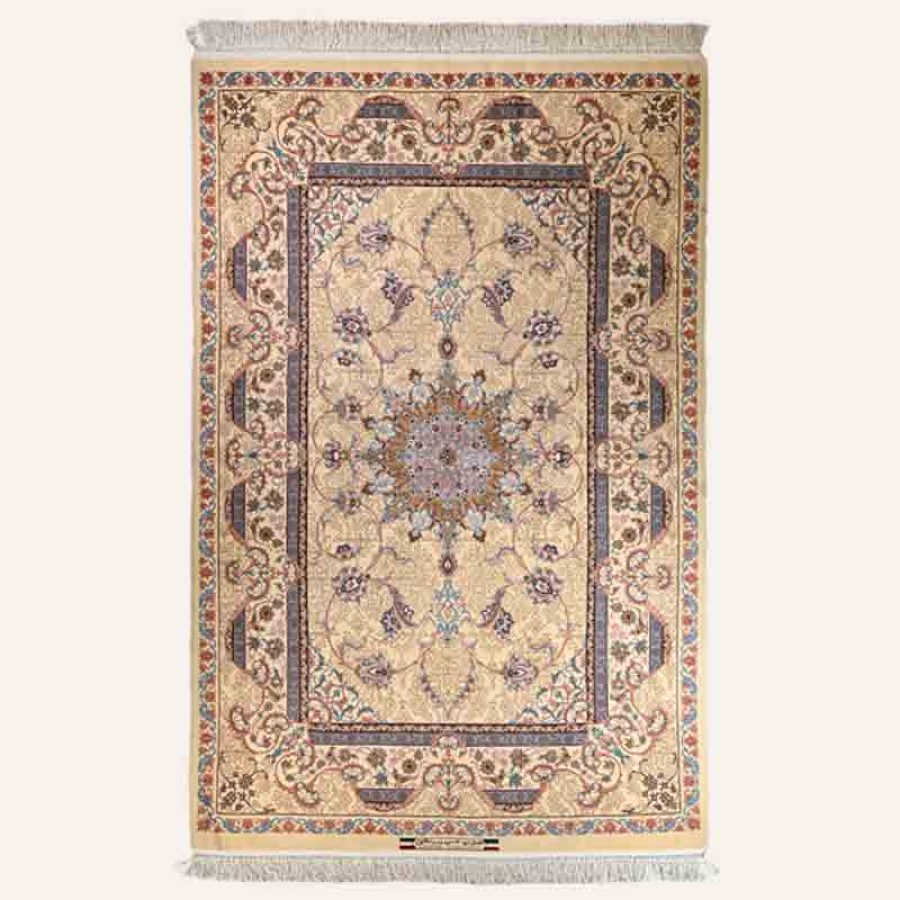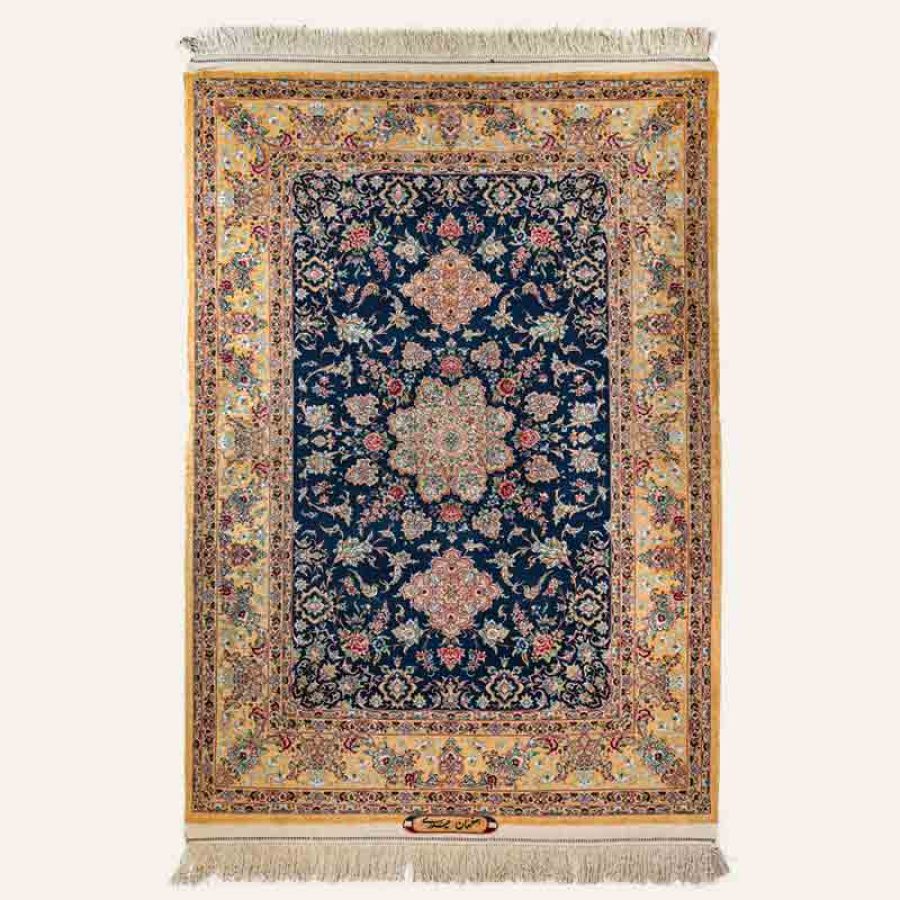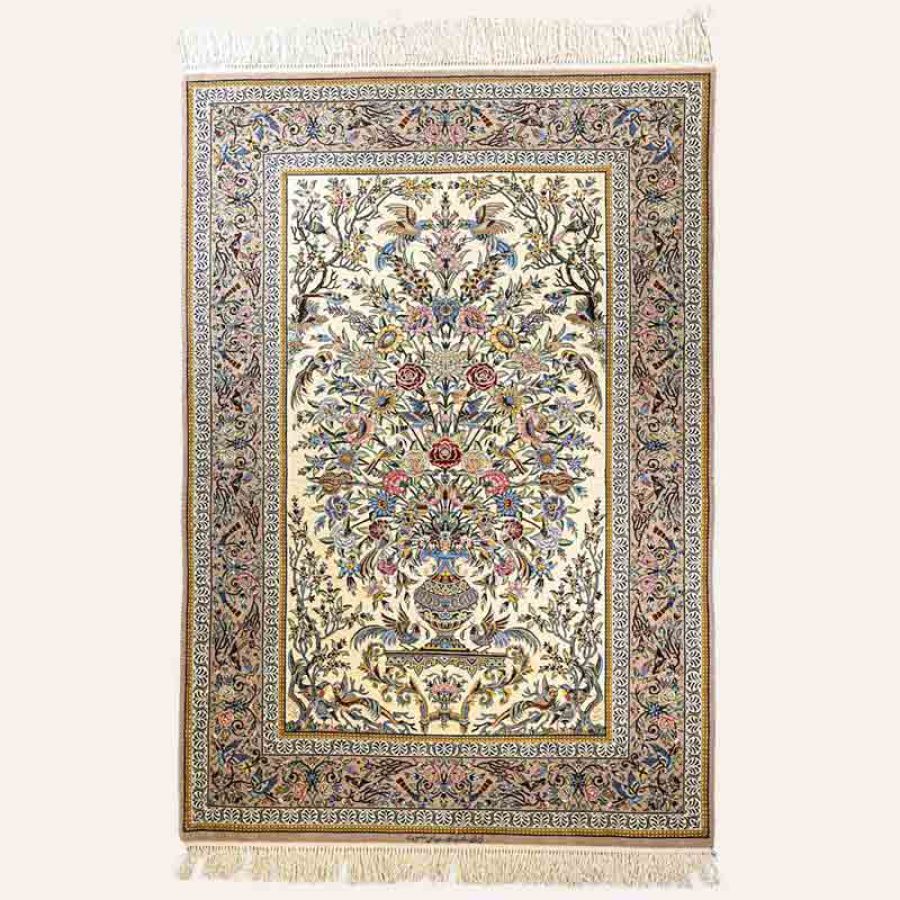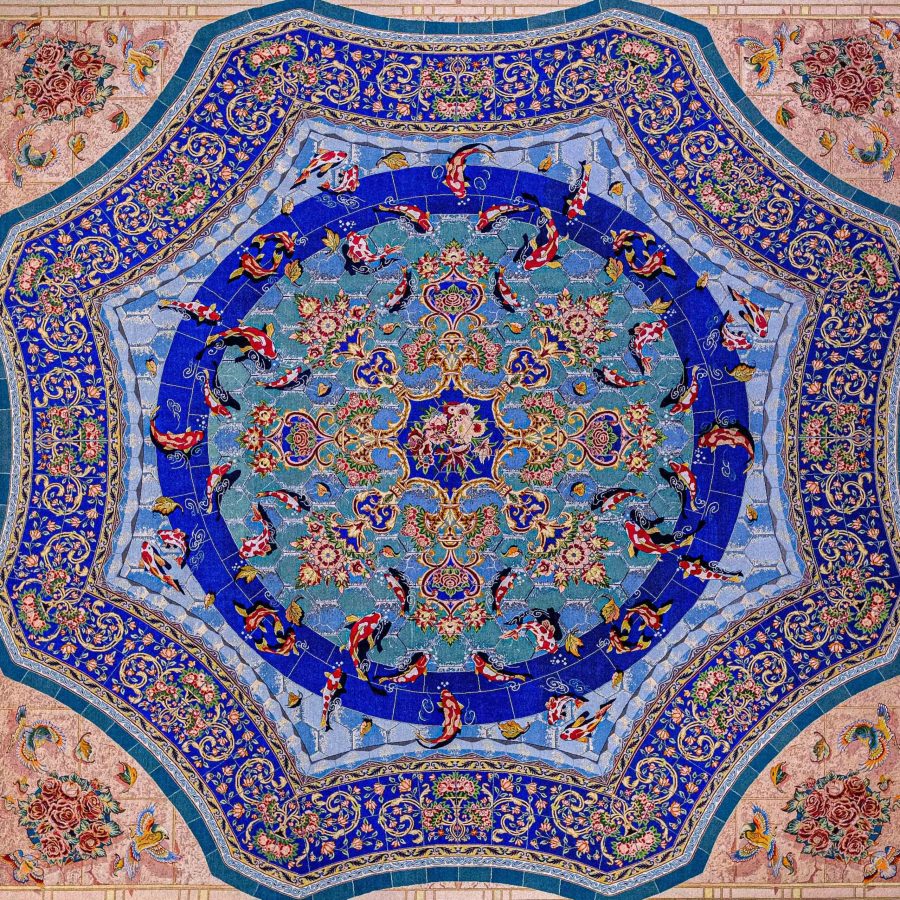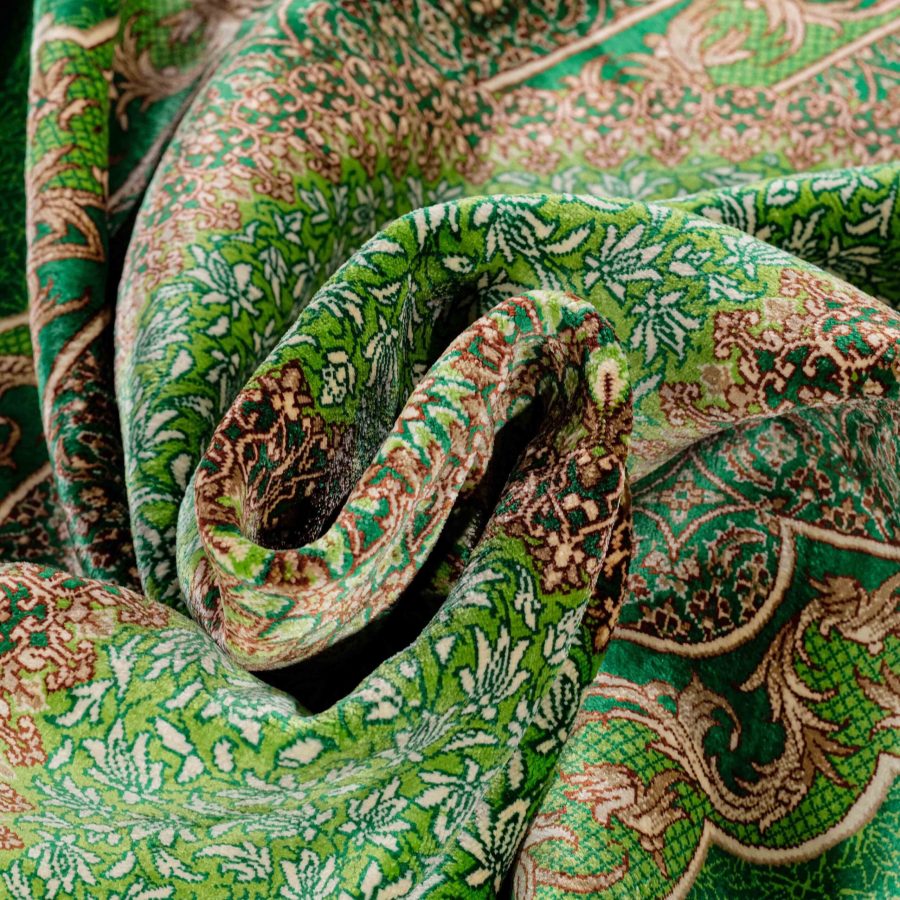
Here, we explain the scientific methods for washing hand-woven Iranian carpets in accordance with global standards. To do so, we consider both the criteria of collectors and luxury galleries worldwide, as well as the traditional techniques of the Iranian masters who craft this delicate art.
Why should hand-woven carpets be washed professionally?
Natural fibers like hand-spun wool, pure silk, and other organic materials have a delicate structure. These fibers are alive—they breathe, absorb moisture, and change subtly over time according to their nature.
Exposing natural fibers to harsh detergents, industrial machines, or non-specialized dry cleaning can cause irreversible damage, including:
- Color bleeding
- Loss of silk luster
- Fragility of wool fibers
- Warping of warp and weft
Most importantly, the hand-woven character of the carpet is lost.
None of these damages can be undone—because improper washing kills the natural fibers that are very much alive.
Professional Washing Steps for Luxury Hand-Woven Carpets
Hand-woven Iranian carpets hold tremendous value. One reason is that master weavers ensure each knot is preserved for future generations. Improper cleaning can easily destroy this legacy, depriving generations to come of this authentic artistry. The professional washing steps are:
Most dirt in Iranian carpets is dry and granular. These particles embed like sandpaper in the pile, wearing down fibers with every step.
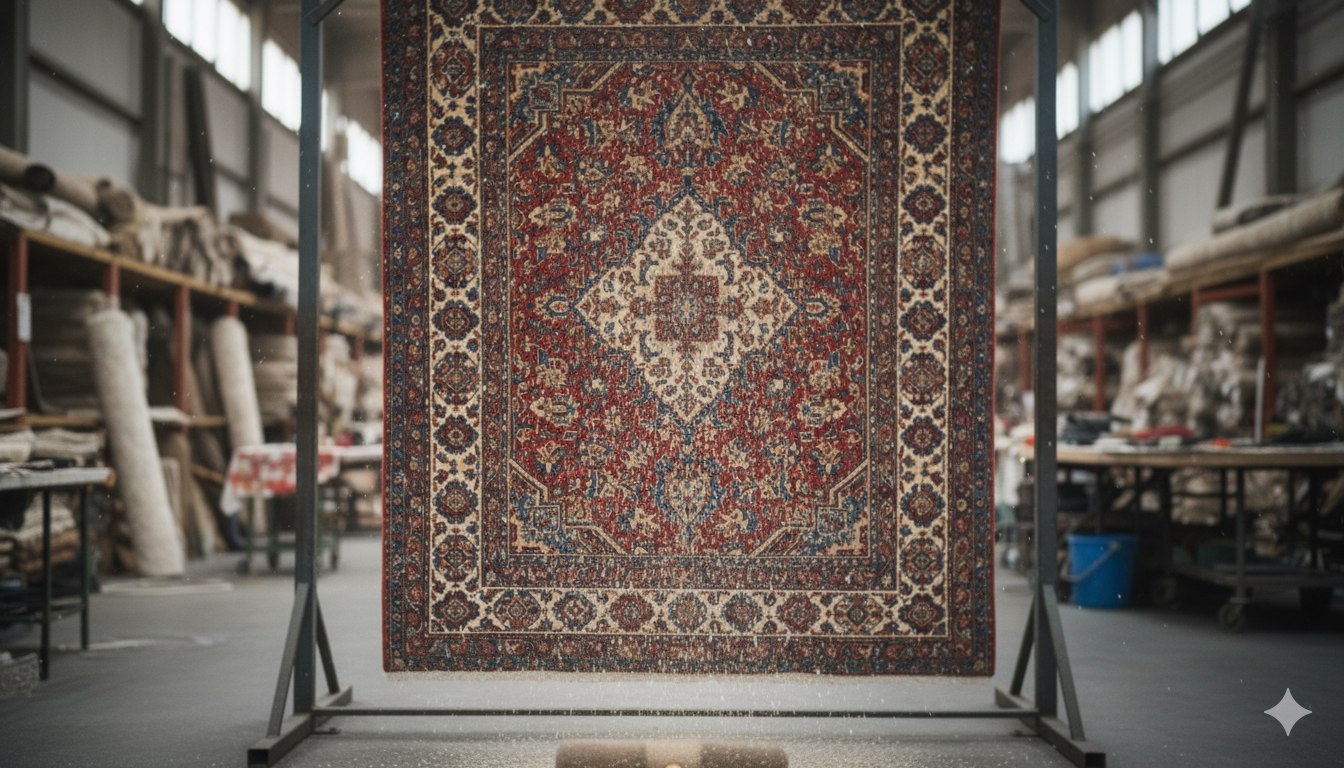
Carpets are hung from the top, and vibration or beating machines are used to dislodge dust that even vacuum cleaners can’t remove. Sometimes, pressure-controlled suction devices are applied.
Performing this step carefully preserves the carpet’s fiber quality.
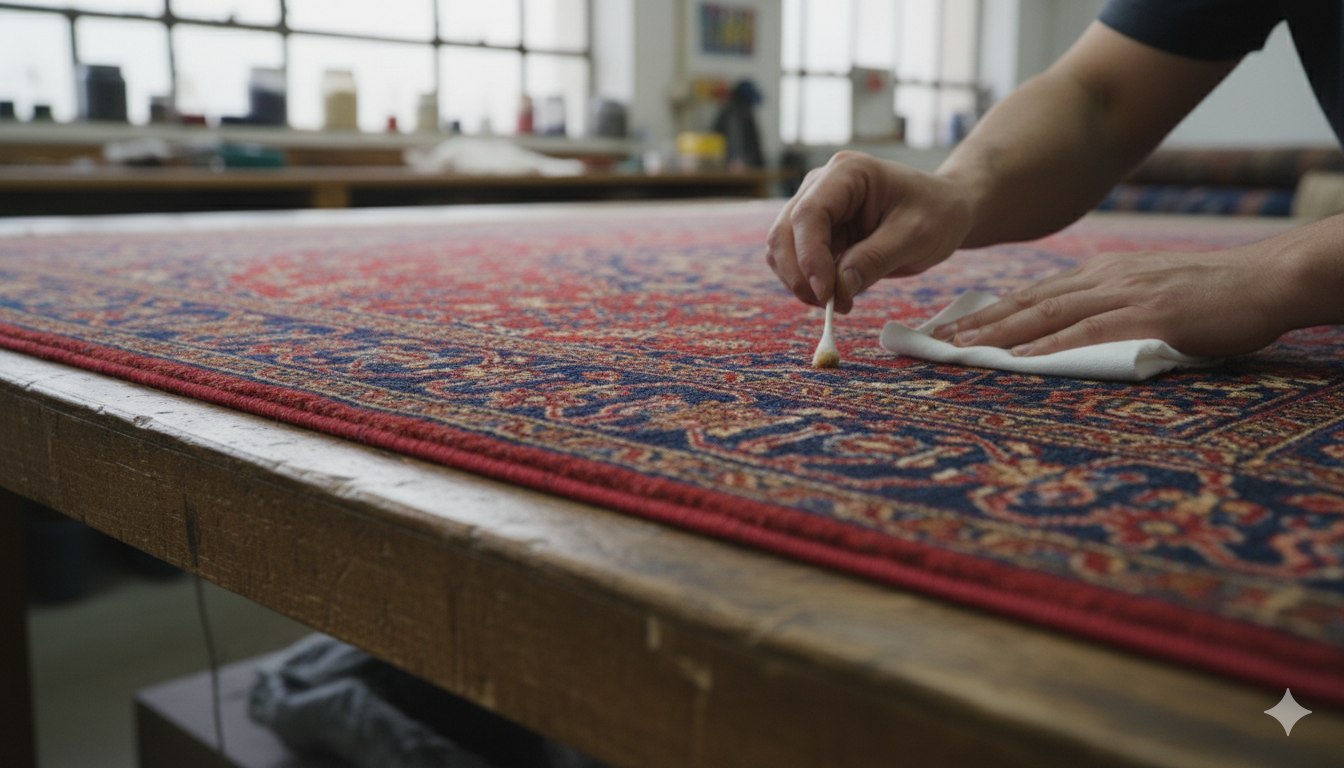
Classic carpets are dyed with natural colors derived from plants, such as walnut husks, indigo, and madder. These colors are sensitive and can be damaged by improper washing. Each color is tested separately with cold water, warm water, and detergents. Special attention is given to sensitive shades like lacquer red and deep indigo, and the results are recorded.
Skipping this step risks destroying natural color structures and diminishing your carpet’s artistic value.
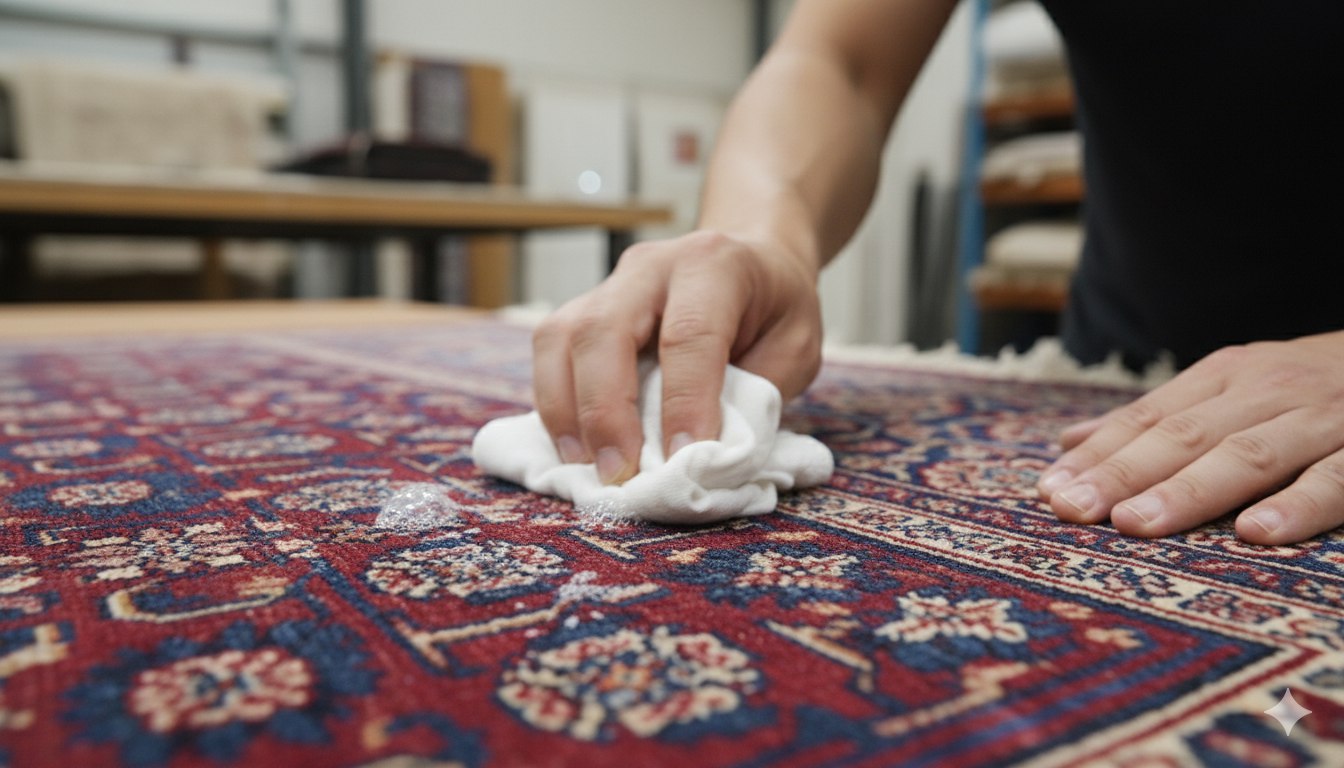
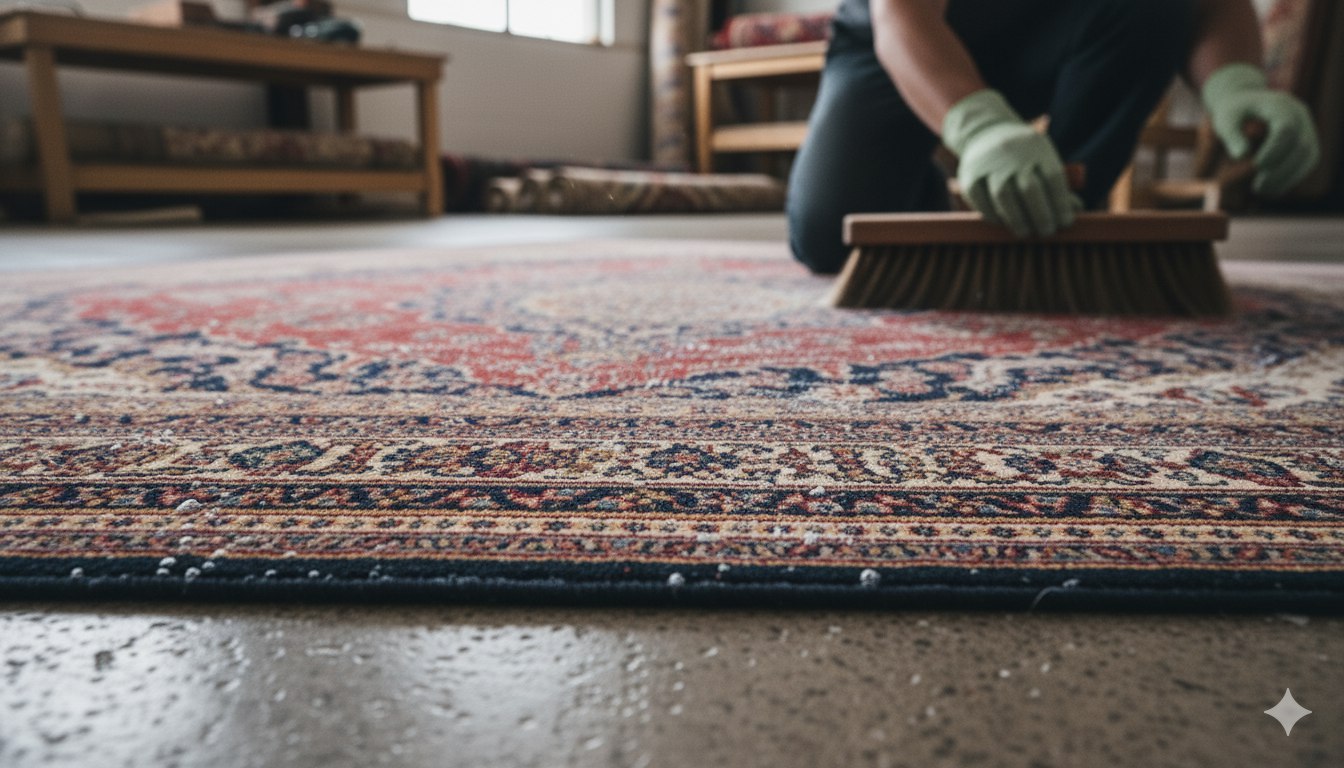
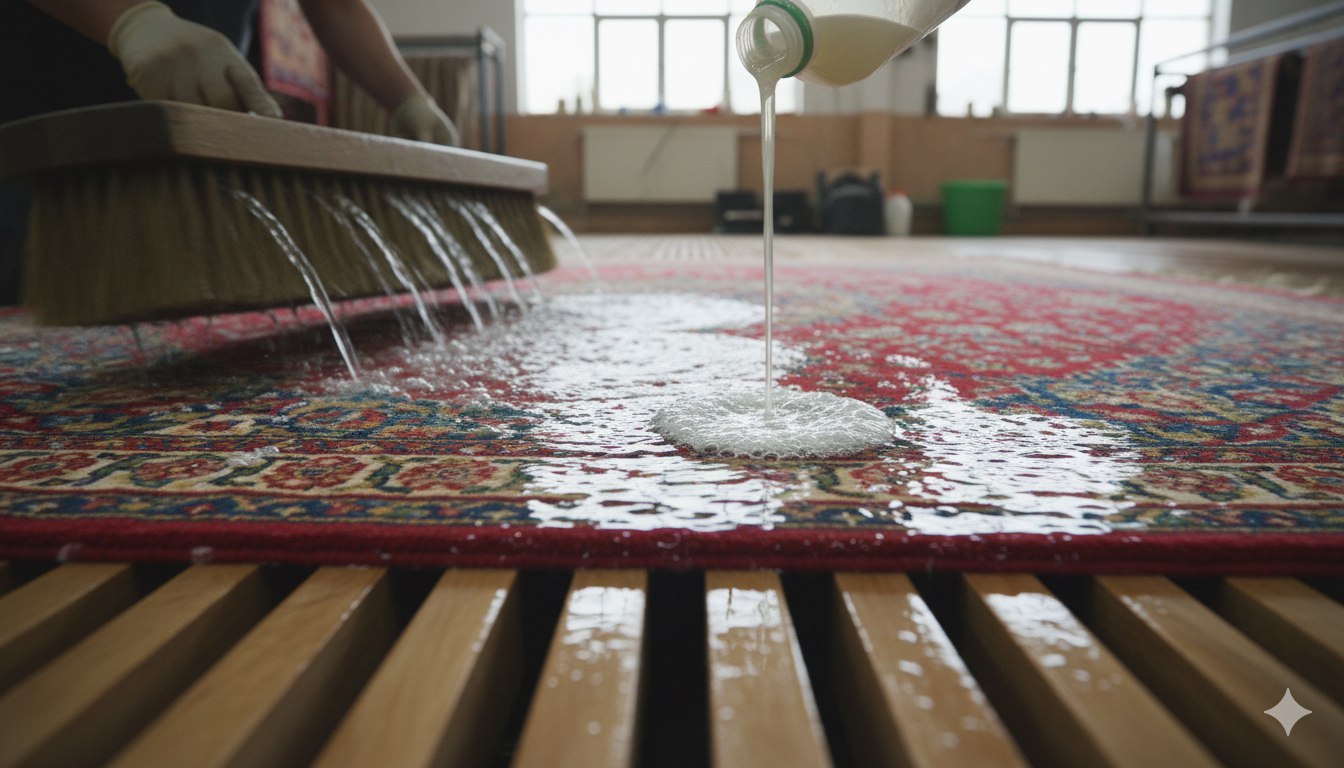
Professional carpet washing is always hand washing. Industrial machines or rotating brushes must never touch your luxury carpet. Proper technique includes:
- Laying the carpet on a flat surface
- Washing back-and-forth with controlled pressure
- Cleaning both front and back evenly
- Respecting the nap of the wool throughout
This ensures every knot is preserved and fibers remain in their natural form.
After washing, the carpet must be rinsed thoroughly and neutralized with a mild acidic solution to:
- Remove detergent residues
- Restore wool’s softness and flexibility
- Bring colors back to their natural brilliance
This step is key to maintaining the “silk luster” and “wool softness.”
Proper drying requires a controlled environment with:
Adequate ventilation
Controlled humidity
Stable temperature (20–24°C / 68–75°F)
Gentle airflow without direct heat
Direct sunlight is not recommended, as it can:
Fade natural dyes
Over-dry fibers
Reduce carpet lifespan
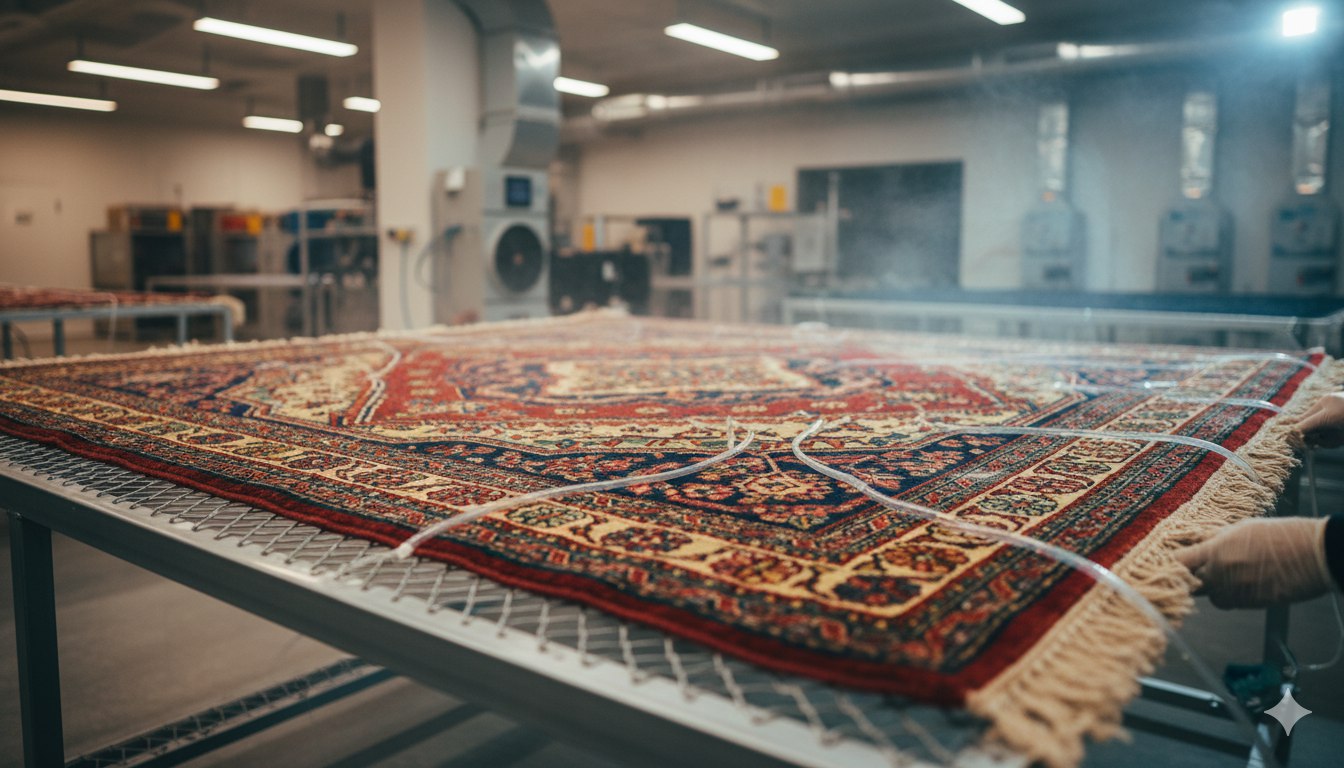
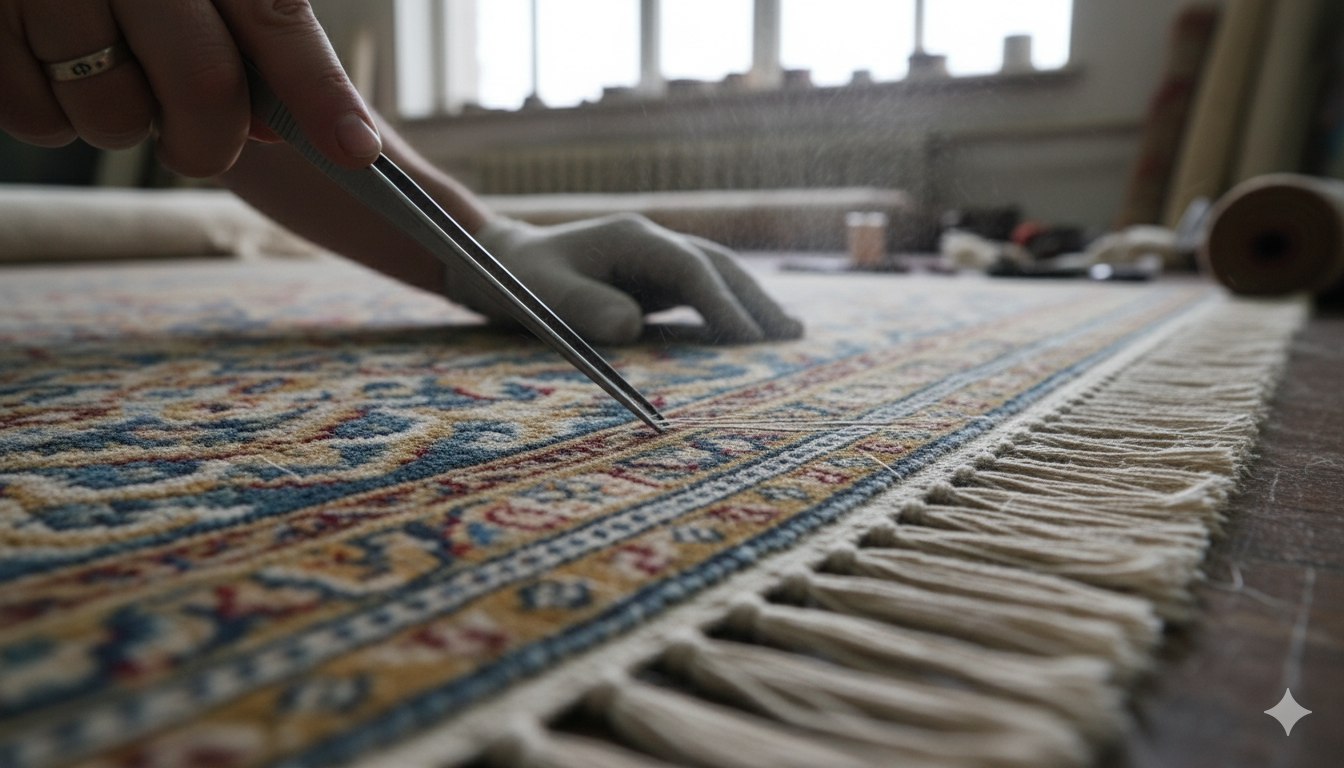
At this stage, experts adjust the wool pile, align silk threads, and straighten fringes. Vulnerable areas may be lightly re-moistened to prevent dryness.
Now your authentic luxury carpet is ready to grace your office or home. By caring for it, you honor not only a financial and cultural investment but also future generations, preserving each knot for years to come.
Qanbari-Nia Gallery carpets deserve the same care as those in major museums worldwide, as authenticity and tradition are woven into every thread.